
How to Choose Paper Tube Packaging for Lip Balm: Fit, Push-Up Function, and Brand Finish
Choosing a paper tube for lip balm starts with the balm, not the decoration. Confirm the filled product’s dimensions and shape, how it will be inserted and raised, what must remain clear around the cap, and which material or liner questions need evidence for the formula. The beauty packaging category shows relevant product families, but each balm still needs its own dimensions and handling brief. Then review the assembled sample and add artwork and finishes to the structure that has been agreed.
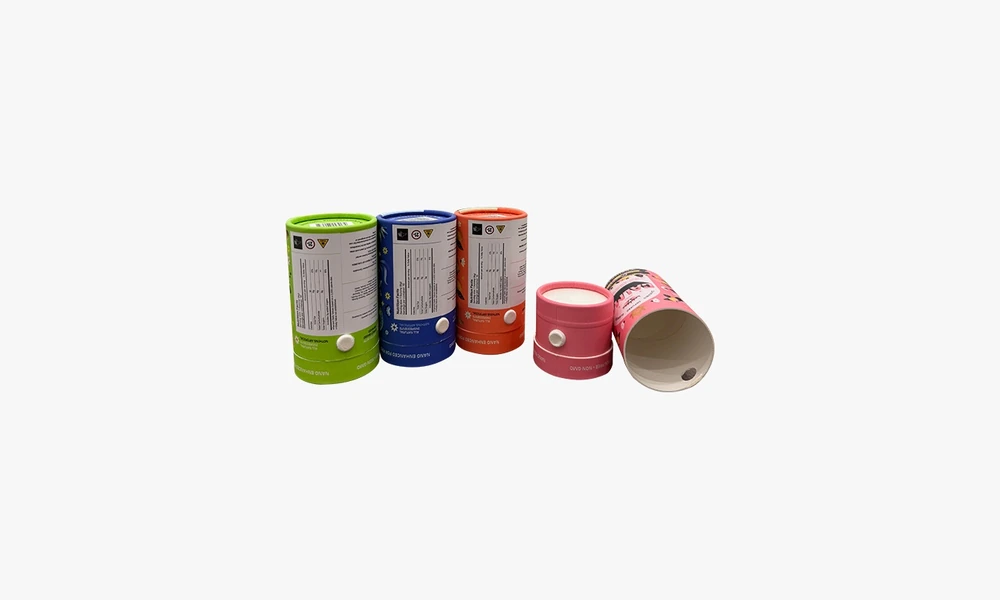
A package that looks right on a screen may still need adjustment when filled. We list lip balm among our cosmetic packaging applications and develop samples for checking structure, fit, printing and finishing. Those are project checks, not a universal compatibility or performance claim.
Define the Product Before the Package
Record the balm format, filled dimensions, weight, shape and intended use. Note whether the product is poured into the package, inserted as a finished unit, or developed through another filling process. The method affects what the package must accommodate and when the fit can be checked.
Provide a physical sample or a dimensioned drawing when possible. Include the cap, any label or outer wrap, and details that affect insertion. If the formula or product design can change during development, identify the version being used so the sample review has a clear reference.
Understand the Push-Up Construction
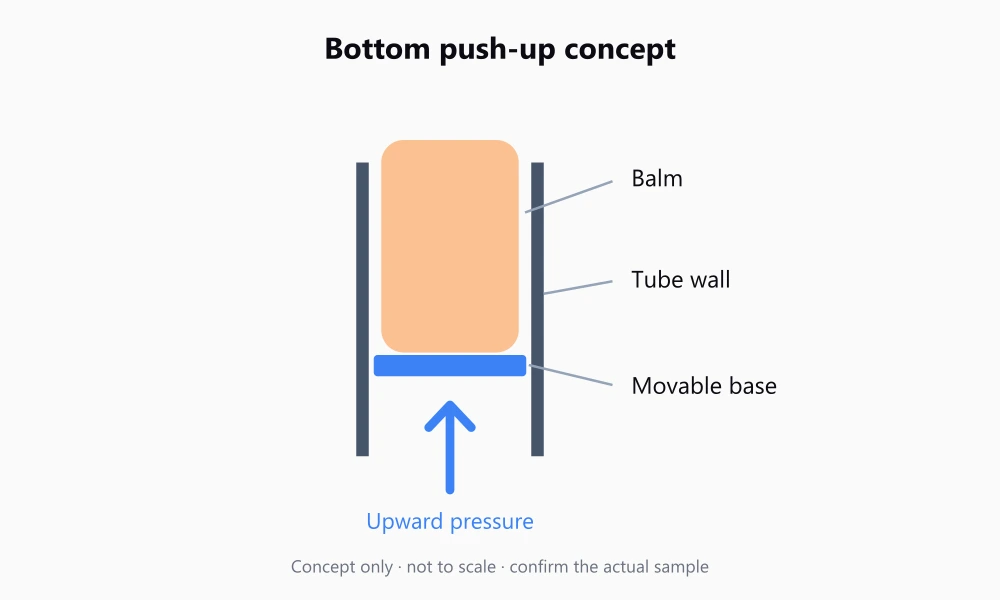
A bottom push-up package relies on a movable base or platform to raise the product as it is used. For the specific tube being developed, ask how that base is assembled and what motion the sample is intended to demonstrate. The customer’s requirement may be a smooth lift, a controlled rise or simply access to the balm without damaging its shape; describe the expected behavior in concrete terms.
Do not assume a twist mechanism, a particular number of turns or a standard travel distance. The article’s scope is the bottom push-up format under review. Check the actual sample and ask the supplier to identify the components that affect movement. The wider paper tube packaging options can help frame the format discussion, but another package’s structure does not prove how this one will operate.
Develop the Fit Around the Filled Balm
The empty tube does not show the full interaction between package and product. Review the filled balm’s diameter and height, the fit at the opening, the movement of the push-up base and the space needed for the cap. Consider the balm’s surface and shape when deciding how closely the wall should surround it. There is no evidence-supported universal clearance for every formula and package construction.
Decide what a successful sample should demonstrate. The balm should sit as intended, remain accessible through the planned action and avoid an unintended interference with the cap or base. If the product can soften, deform or change with storage, include the product owner’s conditions for assessment. We can check sample fit and closure, while acceptance criteria for the balm itself must come from the product team.
Evaluate the Push-Up Action
Test the sample as a user would handle it. Raise and lower the product if the construction permits, note whether the platform moves evenly, and check whether the balm remains stable during the intended use. Record any sticking, wobble, excess movement or difficulty returning the product, along with the sample version and conditions observed.
An empty mechanism test does not establish how a filled balm will behave. The product’s dimensions, mass and physical properties influence the interaction. Review the filled sample and agree what observations are acceptable before signoff. If the structure is revised, repeat the check on the current sample instead of carrying forward a result from an earlier version.
Treat Material Compatibility as a Separate Gate
Package fit and formula compatibility answer different questions. A tube can hold the product while the product owner still needs to assess contact materials, liners, storage conditions and the expected product life. We offer material and liner options for packaging projects, but an option list is not a compatibility result or regulatory approval for a specific balm.
Ask which parts may contact the formula and what specifications or declarations are available for those materials. The product owner should define the relevant compatibility assessment for the formula and intended market.
Where stability or storage is important, agree the evidence needed with the responsible product or regulatory team. Keep that decision separate from the mechanical sample review. A structural sample can inform fit and action; it cannot, by itself, establish a formula’s safety, shelf life or compatibility with every package component. The metal-end paper tubes for beauty packaging page illustrates a format, not material-contact validation.
FDA’s general cosmetics guidance says shelf life varies with product type, use and storage. It also notes that temperature changes and exposure to sunlight and air can affect a cosmetic’s color, texture or smell. These points explain why the product owner should define assessment conditions; they do not set a test protocol for this paper tube. (FDA, “Shelf Life and Expiration Dating of Cosmetics,” https://www.fda.gov/cosmetics/cosmetics-labeling/shelf-life-and-expiration-dating-cosmetics.)
Design the Small Circumference Carefully
The tube’s circumference limits the width of uninterrupted artwork. Identify what must be read first and where the seam will sit. Check that the logo, product name and required product-owner copy remain legible when the package is viewed in hand, not only enlarged on screen. Small type and fine detail may need a different arrangement than they would on a flat carton.
Ask for the current dieline and confirm how the printed area relates to the assembled tube. We support dielines, print-file checks and CMYK or Pantone color confirmation. The artwork should follow the approved structure, with the seam, cap and base boundaries visible during review.
Select Finishes After Function Is Stable
Finishes should support the package’s intended appearance without distracting from the review of fit and action. We offer matte, gloss and soft-touch lamination, foil, embossing and spot UV. Name the area that receives each finish and review the result on a sample made for the project.
Keep visual decisions distinct from formula or use claims. A finish that changes appearance does not establish that the package is moisture resistant, safe for direct contact or suitable for a particular storage condition. Confirm those questions with the responsible technical evidence and assess the print effect separately.
What Should You Send for Development?
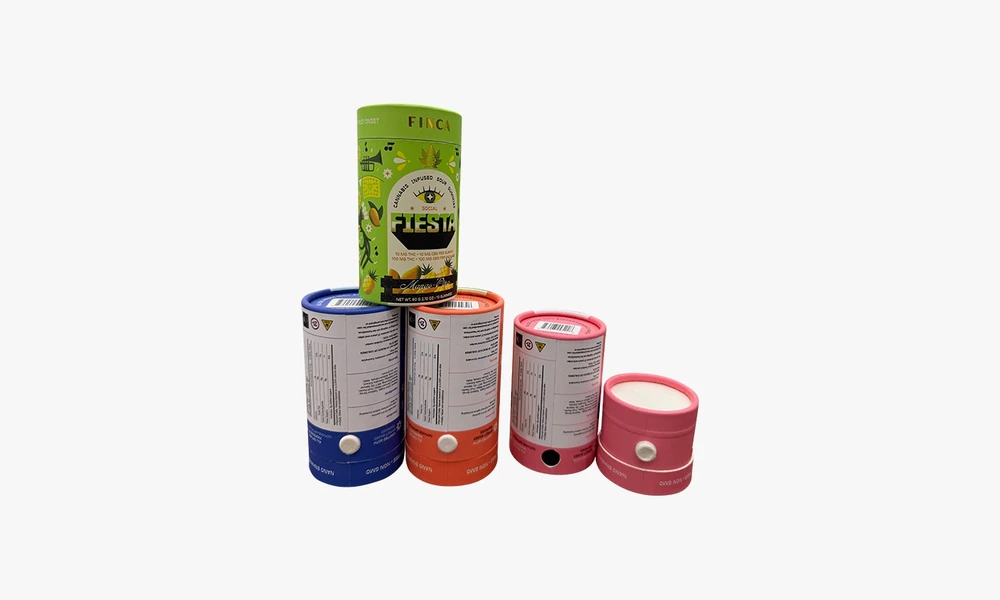
Prepare the balm’s filled dimensions and weight, product version, intended use, filling method, cap or closure details, target market, artwork or visual direction, and any material-contact requirements. Provide a physical product or clearly dimensioned drawing. State what the sample should demonstrate, such as fit, push-up action, closure, print color or finish, and identify which decisions require a separate formula assessment.
The review brief can be organized into two tracks. The package track covers the structure, filled fit, push-up movement, cap clearance, print and finish. The product track covers which surfaces contact the formula, the relevant material information, and any storage or stability evidence the product owner requires. Keep the responsible reviewer and decision record clear for each track. That way, a successful mechanical sample is not mistaken for a formula assessment, and open compatibility questions do not get hidden inside an artwork approval.
When requesting revisions, name the sample version and describe the observed issue in terms another reviewer can reproduce. For example, identify where movement binds, which part interferes with the cap, or what printed area needs adjustment. The supplier can then respond to a specific observation rather than a broad request to “improve the tube.” Recheck the updated filled sample and carry forward only the decisions that still apply to the revised construction.
Review the returned sample against that list. Record the sample version, observations, requested changes and final approval. Production begins after final approval, so the accepted structure, material, artwork and finish should be clearly identified in the release record. Contact H.F PACKAGING with the product sample, dimensions, use conditions and development questions. The round paper tube packaging for skincare products page is another format reference, not a compatibility result.
Related Articles
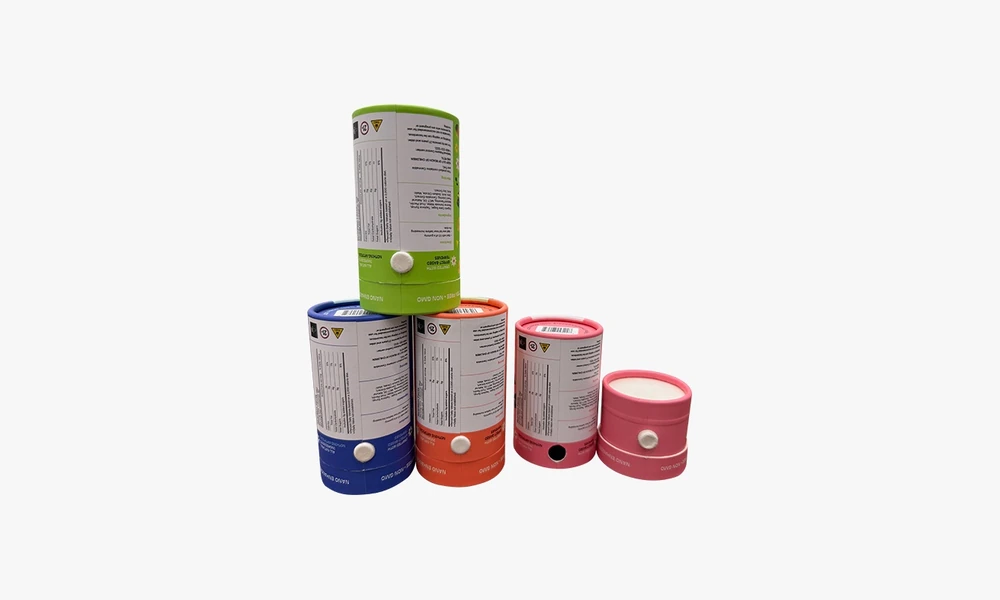
How to Choose the Right Paper Tube Size for Your Product
Choose a paper tube size from the product outward. Measure the item that will actually be packed, decide how it will sit…
Best Packaging Tubes for Tea, Coffee & Spice Brands: A Sourcing Guide
An attractive tea canister is easy to put on a mood board. Ordering it brings up the awkward questions. Does the tea…
Product Information
Product Information Structure and Visual Direction Share product dimensions, weight, fragility, filling method and any components that must be packed together. Commercial…
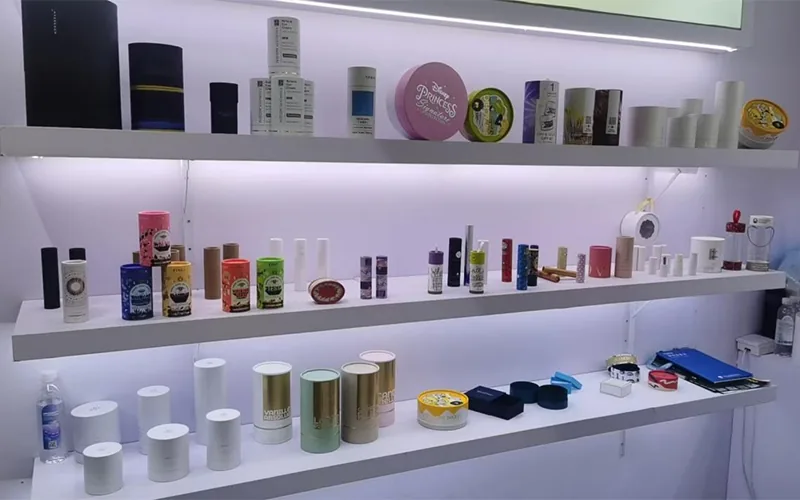
2025 Guangzhou Cosmetic Packaging Exhibition
Highlights from the 2025 Guangzhou Cosmetic Packaging Exhibition, featuring our custom paper tube packaging and meetings with international clients.
Frequently Asked Questions
Contact our team for questions about this article, materials and production.