
Best Packaging Tubes for Tea, Coffee & Spice Brands: A Sourcing Guide
An attractive tea canister is easy to put on a mood board. Ordering it brings up the awkward questions. Does the tea go straight into it? Is a pouch hidden under the lid? And is the coffee range supposed to use the same tube, despite having a different inner pack?
We’d sort out those questions before spending much time on the finish. At H.F PACKAGING, tea, coffee and spices all sit within our food packaging category. They don’t have to share a packaging specification. The way the product is filled, opened and used gives a buyer a much better basis for choosing a tube than a shelf photograph does.
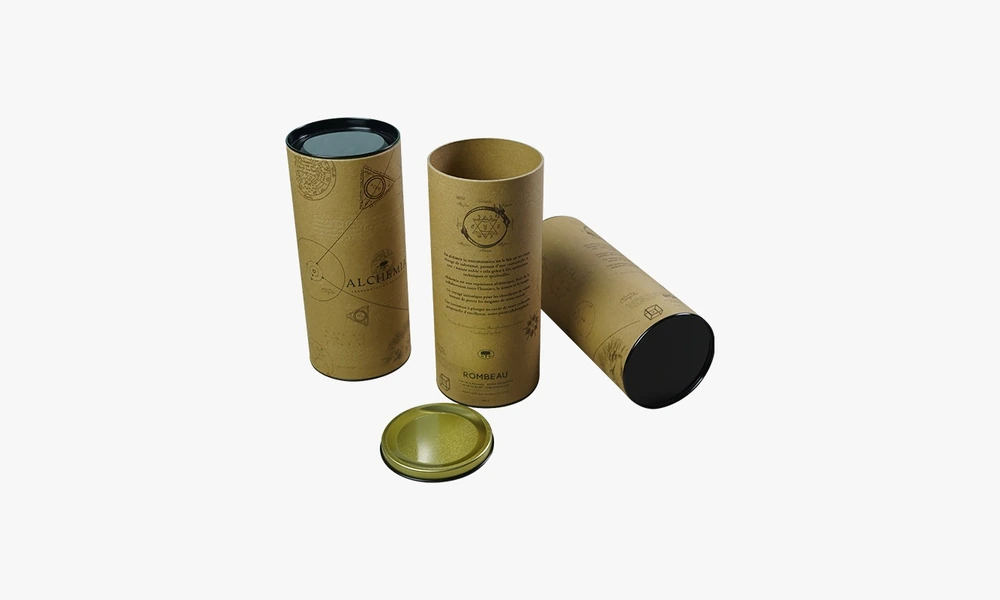
A Pouch Changes the Starting Point
Consider two possible tea packs. In one, the leaves stay in a sealed pouch inside a printed tube. In the other, the proposed tube assembly has a liner that will touch the tea. From outside, the concepts could look much alike. For the buyer, though, the material questions start in different places.
With a separate pouch, we’d want to see its filled shape. That gives us something to size the tube around. For food going into the tube assembly itself, show us the surface it will touch. A quick sketch is useful here. It doesn’t have to look polished; it has to make the packing arrangement clear to the people developing it.
There’s a temptation to send a net weight and leave the rest to the supplier. Resist it. A weight doesn’t show the shape of a filled pouch, the way tea bags are arranged or the space needed to get something out again. Send product dimensions and a picture too. Physical samples can follow when the team is ready to discuss fit.
We develop dimensions and internal structures around product dimensions, weight, packing method and transport requirements. Material selection and production feasibility are also part of the help we offer. Those are easier conversations to have with a product in front of us than with just a weight on an inquiry form.
Think Past the First Opening
For tea, the lid is only the beginning of the opening sequence. Think about your own product for a moment. Does someone reach inside for a wrapped portion, or do they have to take out a pouch first? Loose leaves bring another arrangement. Work through the one you intend to sell before approving a format for its appearance.
Our round paper tea canisters with metal lids give you one format to discuss. For the sample review, put the planned contents inside. Try it as a customer would, right through to putting the pack away. A design intended for repeated opening deserves more attention than a quick look at the lid on an empty tube.
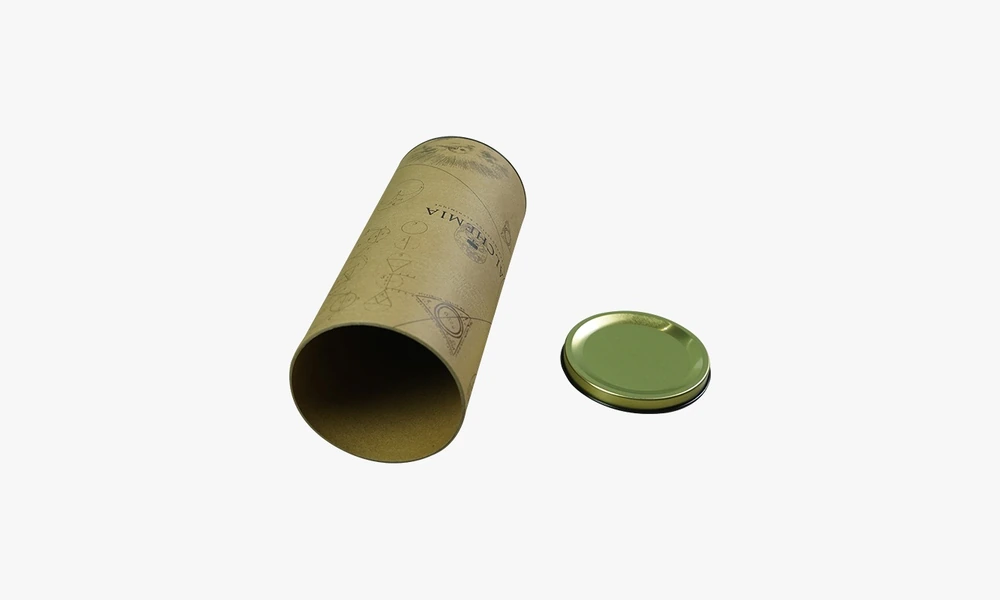
Coffee takes the discussion back to the filling plan. Establish the primary pack and how it closes before specifying its outer tube. If your plan calls for a valve, show it. Who supplies that component? Which pack carries it? A paper tube on its own gives you no basis for assuming a one-way valve or gas-release function.
Bring the coffee pack to the fitting session exactly as it will be packed, including the pouch material above the contents. Does the lid close with the pouch in place? Take the bag out, put it back and see what happens. A later pouch revision takes you back to this exercise. For shelf-life questions, you’ll need to return to the primary-pack details and the evidence behind them.
With spices, start at the kitchen end of the decision. Is the customer shaking a powder straight onto food or reaching for a spoon? That is a useful question to answer before anyone starts discussing holes in a lid. Decide the action before choosing the opening pattern.
We offer paper shaker tubes with plastic lids as one option. Try the proposed arrangement with the actual spice. A photograph can help you choose a direction; dispensing is something to examine in the sample. The brief should also say how the contents are contained before the first use, including any separate inner pack.
Be Specific About Materials
Take the description foil-lined. We’d read past those two words and ask for the liner details, with its position marked on the assembly. Add the food it is intended for and the moisture requirement, if there is one. Now there is a specific construction to discuss. Foil mentioned in a quotation still isn’t an answer to how long the food will keep.
Waterproof is another description we’d pause over. Paper packaging by itself isn’t a completely waterproof container. Lamination and moisture-resistant treatments are available to discuss, as are aluminum-foil liners. Bring a specific requirement to that discussion. The material specifications and test evidence for the proposed construction are what the product team needs to review.
There are paper, metal and plastic lid options. Inserts can be EVA, sponge or paperboard; greaseproof paper and aluminum-foil liners are also available. Nobody needs all of them in one tube. The proposal should make it easy to see what has been selected for your assembly and which surfaces could touch food. A paper food packaging tube with a clear window brings the window material into that conversation as well.
Selling in the US? The FDA looks at the individual substances making up a food-contact article, together with their intended use, when explaining regulatory status. Its guidance allows a purchaser to ask the manufacturer for a letter of guaranty covering that use. So make the request about the proposed material and the food-contact use you have in mind. A general request for a certificate leaves that question open. Other markets need their own applicable review.
Get the Drawing and Artwork Talking to Each Other
On a drawing, we’d look for both inside and outside dimensions. We’d also want to know what is included in the assembled height. Bring the rest of the retail pack into the discussion too. A tube intended for a gift set needs reviewing in that arrangement, with the other products present, rather than being approved entirely on its own.
Weight and transport needs belong here too. We can adjust paperboard thickness and structure around those inputs, and assist with size optimization and production feasibility. Get the drawing agreed while changes can still be discussed with everyone involved.
Then give the designer more than a logo. Where should the front face? Where is the seam? Where will a code or applied label go? Draw them in, with space for the product copy. Have the wording signed off by the person handling labeling for your destination market while the designer works on its placement.
We can help with the dieline template and printing file, offer design suggestions and confirm colors in CMYK or Pantone. You can discuss matte, gloss or soft-touch lamination with us, or consider foil stamping, embossing and spot UV. Final artwork comes before sample production. Save the approved file beside the drawing so there’s a clear pair of references for the sample.
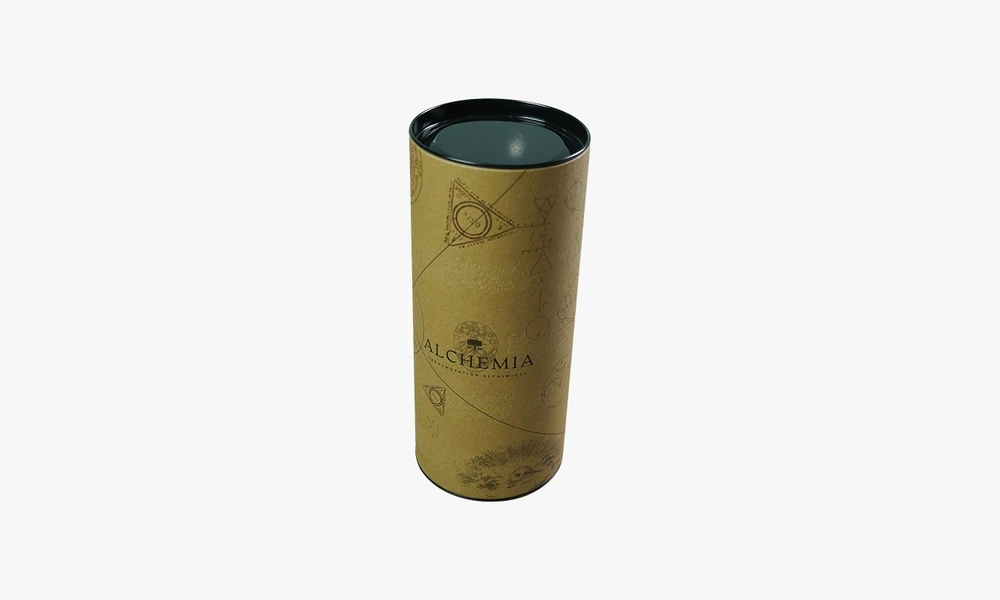
Give Approval Something Concrete to Refer To
Two proposals may both say tea tube and still describe different assemblies. Read them with the component list open beside you. Is that alternative liner a suggestion, or has it become part of the offer? Ask before the sample is made. It’s a much clearer conversation when everybody knows which version they are looking at.
The sample needs a clear job, too. We can develop handmade or machine samples and include printing or material simulation. Fit, durability and closure can be part of the structural checks. What are you being asked to approve on this sample? You may be reviewing size today and a print decision later. Write that down so approval has a clear meaning.
A lid that fits is a useful result from handling a sample. For questions about food contact, barrier performance or shelf life, turn to the material and intended-use evidence as well. Both belong in the review, with somebody responsible for each decision.
Production starts after final approval. We use the approved sample, or a standard agreed by both sides, as the production reference. Keep requested changes attached to the relevant revision. Otherwise the lid on the desk and the drawing on screen could be telling different stories.
For an initial discussion with H.F PACKAGING, a product picture or physical sample can be your starting point. Tell us about the food, its fill weight and the inner pack you plan to use. Then add the size and artwork ideas, the destination market and whatever you’re still trying to decide.
Related Articles
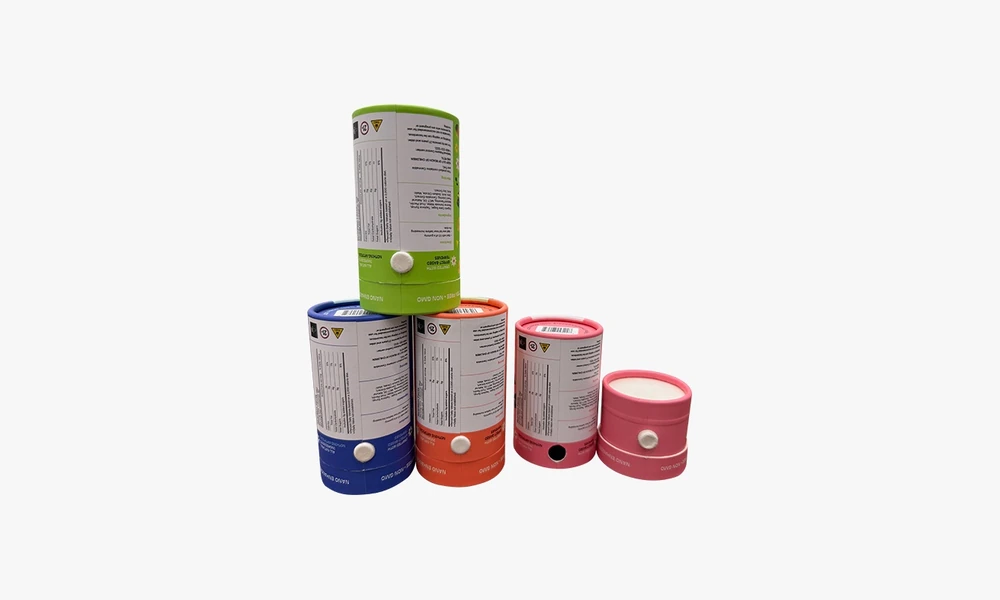
How to Choose the Right Paper Tube Size for Your Product
Choose a paper tube size from the product outward. Measure the item that will actually be packed, decide how it will sit…
How to Choose Paper Tube Packaging for Lip Balm: Fit, Push-Up Function, and Brand Finish
Choosing a paper tube for lip balm starts with the balm, not the decoration. Confirm the filled product’s dimensions and shape, how…
Product Information
Product Information Structure and Visual Direction Share product dimensions, weight, fragility, filling method and any components that must be packed together. Commercial…
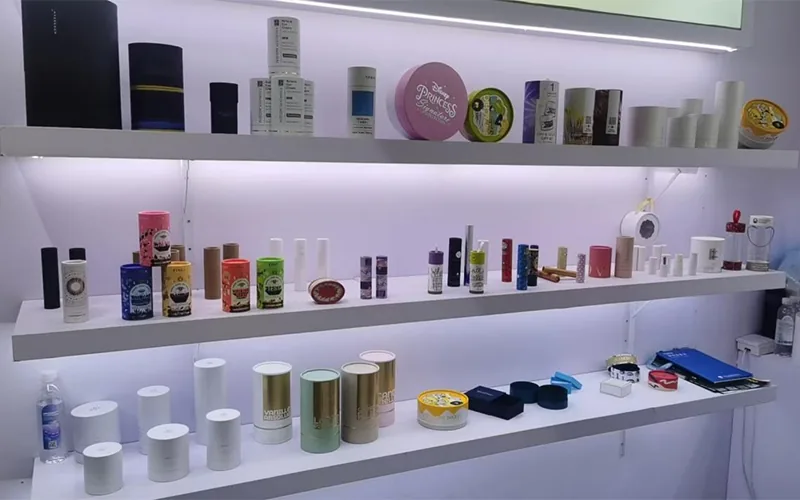
2025 Guangzhou Cosmetic Packaging Exhibition
Highlights from the 2025 Guangzhou Cosmetic Packaging Exhibition, featuring our custom paper tube packaging and meetings with international clients.
Frequently Asked Questions
Contact our team for questions about this article, materials and production.